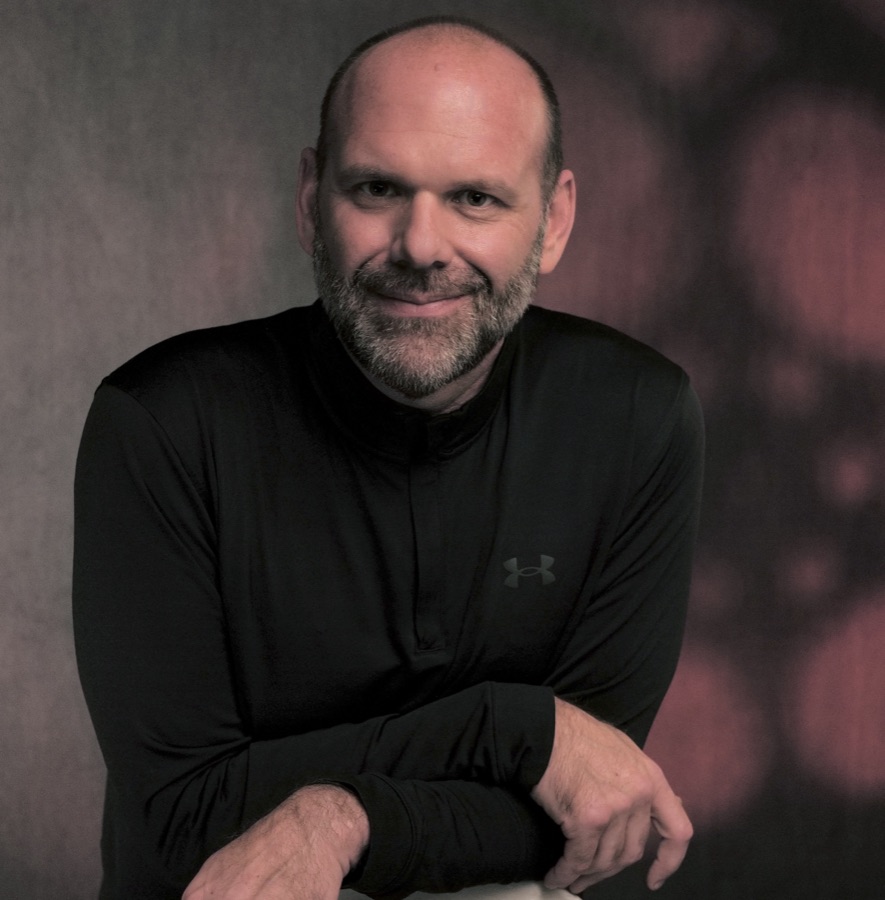
Before Revenant Systems built software for anyone else, it built software for me. I run Mr. Camera, a production company in Las Vegas, and for years I ran it the way most small businesses run: on grit, spreadsheets, and an alarming number of text messages. This is the story of the system that fixed that — and how it became the reason Revenant Systems exists.
Running a production company the hard way
Production work is logistics wearing a cool jacket. Every job means building an estimate, chasing a client to approve it, then calling down a list of camera operators, gaffers, and grips one by one to ask the same question: "Are you free on the 14th?" Then someone's date moves, and you make all those calls again.
Meanwhile the cameras, lenses, and lights walk out the door to jobs and rentals, and you'd better know where each piece is, whether it came back, and whether it's actually earning back what it cost. Then come the crew invoices, the client invoices, and the joyless ritual of retyping everything into QuickBooks.
None of it was hard, exactly. It was just endless. If you've read our piece on the signs you've outgrown spreadsheets, I had all of them. So did every client we've worked with since. The chaos is remarkably consistent across industries.
Building our own fix: Mr. Camera HQ
So we built Mr. Camera HQ: one system that runs the whole business, from inquiry to paid. A job follows the same path every time: build the estimate, send it, staff the crew, shoot, invoice, reconcile. The software gives every step a home.
The part the crew loves most is booking by text. The system texts a crew member about a date; they reply 1 (yes), 2 (pass), or 3 (need more time). No phone tag. If the first choice passes or goes quiet, auto-staffing moves to the next person on the list, and the roster fills itself while we do other things. Confirmed jobs drop straight onto each person's calendar, and if a date changes, their calendar updates itself. Crew also get their own portal: upcoming jobs with call times and directions, a button to block dates they can't work, and a wrap form to submit hours when the job's done.
On the office side, the estimate builder handles line items, markups, and multi-day jobs, with an AI assistant that turns "add two camera ops for three days" into actual line items. It reads uploaded vendor bids into the estimate too. Approved estimates push to QuickBooks with one click, payments sync back, and a reconcile tool flags anything that doesn't match.
Equipment gets tracked from checkout to return, including insurance status, maintenance, and return-on-investment per item. There's even a public storefront where rental requests come in and wait for approval.
And because we ran real jobs through it while building it, every rough edge got sanded off by actual use — not by a requirements document.
Then it grew into a network
Here's the part that surprised even us. Other production companies in town saw the system and wanted in — not on the software, on the business model. So Mr. Camera HQ became the foundation for Gear Locker: a rental network where four companies pool their equipment into one shared catalog.
Renters browse a single storefront, book, and pay. A fair-share engine rotates rentals across the owner companies so nobody's gear gathers dust while someone else's earns. Each owner gets their own portal to manage their gear and see their numbers. And an insurance gate collects and verifies each renter's certificate of insurance before anything leaves the building. The AI even reads the certificate and flags problems.
That's the real lesson of this case study: custom software isn't a one-time purchase, it's an asset. The system we built to run one company scaled into a platform running a multi-company network without starting over.
Why this matters to you
Plenty of dev shops will build you software they'd never use themselves. We can't make that mistake, because we use ours every day. We know what happens to a system at 7 a.m. when a client moves a shoot date, because it happens to us. We build what we run.
It also means we're not guessing about feasibility or price. When we say a full operations platform doesn't have to cost agency money, that's not a sales line — it's the same math we used on ourselves. And when we built Stickman HQ for our first outside client, we were adapting a playbook we'd already proven on our own payroll.
The first client was us. Everything since has been the sequel.
Frequently asked questions
Do you still use Mr. Camera HQ?
Every day. Mr. Camera is still an operating production company in Las Vegas, and every estimate, crew booking, invoice, and rental runs through the platform. When something is annoying, we feel it before any client would, and we fix it.
Can the same platform work for my industry?
The specifics are production-flavored, but the underlying problems are universal: quoting jobs, scheduling people, tracking equipment, invoicing, and syncing with accounting. We build each client their own system around their workflow. The point of this case study is that the approach works, not that you need our exact software.
Where do we start?
Tell us the one workflow that eats most of your week: the spreadsheet you dread, the phone tag, the double entry. We'll scope a fixed-price build around that single pain point first, and expand from there once it's earning its keep.